
Introduction
Modern factories run long past a single shift, and so do the systems keeping them going. Controls engineering sits at the center of that world, driving the robots, PLCs, and increasingly AI-assisted platforms that turn raw materials into finished products through lights-out running between scheduled maintenance windows.
Yet many engineers still struggle to plan their next move. Career paths feel murky, and the difference between contract, contract-to-hire, and direct-hire roles is rarely spelled out. With automation accelerating, it's also hard to tell where the field is headed.
This guide breaks down what controls engineers really do, how strong demand is, which skills and certifications matter most, and how to find a role that fits your goals.
Key Takeaways
- Controls engineers design, program, and maintain PLCs, robots, and SCADA on live production lines
- Demand is rising with automation adoption, EV manufacturing, and reshoring
- Paths run from technician to senior/lead via contract, contract-to-hire, or direct hire
- Firms like GLOBAL that pair automation solutions, services and technical staffing expose engineers to more projects across more industries
What Does a Controls Engineer Do?
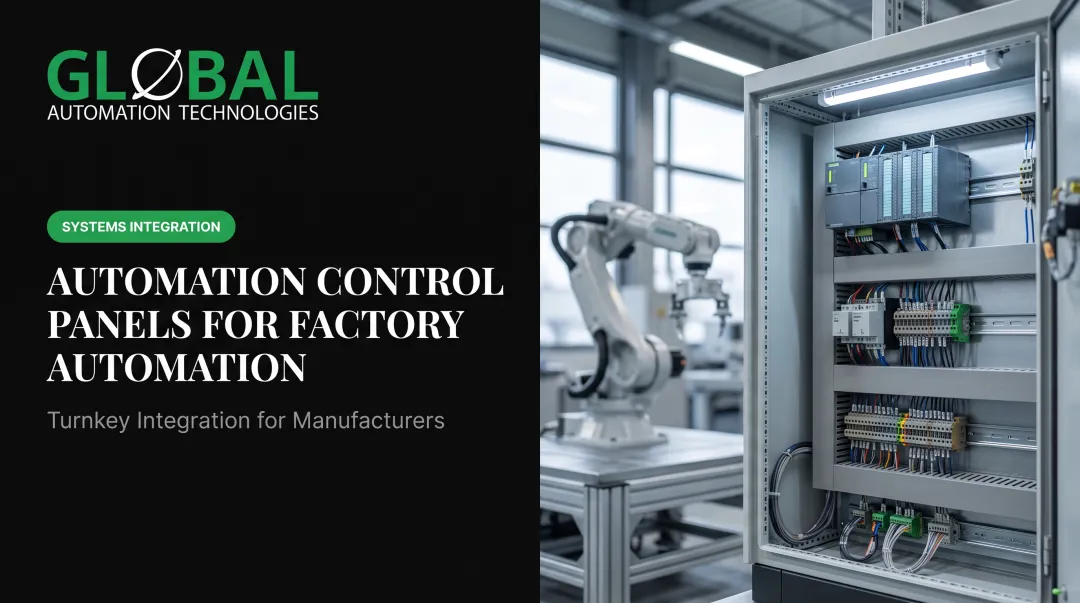
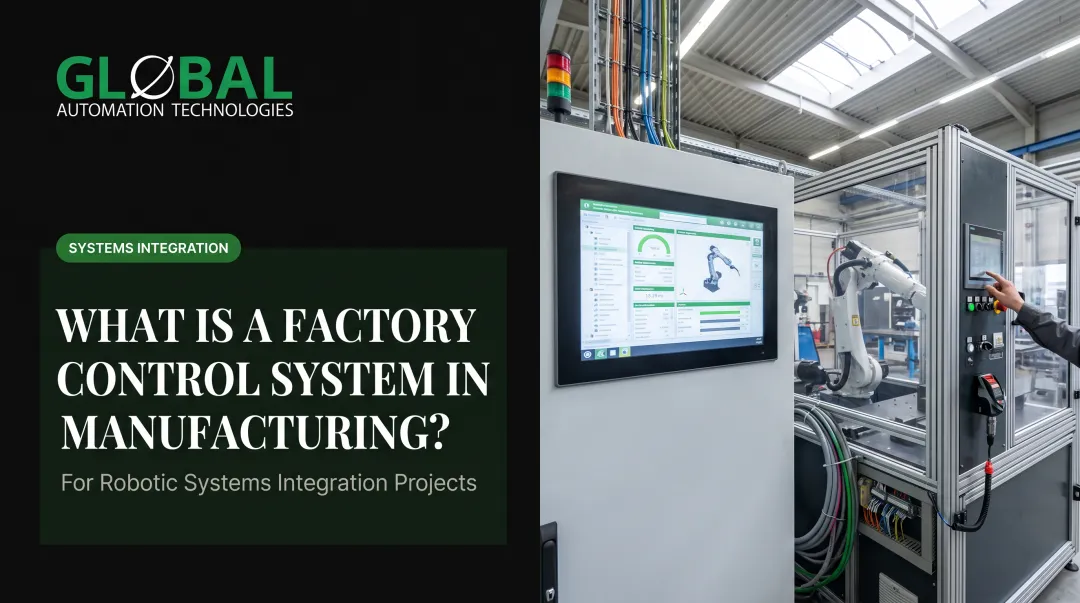
A controls engineer designs, programs, tests, and maintains the automated systems that keep manufacturing lines moving. That means PLCs, HMIs, SCADA platforms, and robotic cells — the electronic nervous system of a factory floor.
O*NET classifies this work under Electrical Engineers, specifically noting "Electrical Controls Engineer" as a common job title within that category, which covers 192,000 workers nationally as of 2024. The role also overlaps heavily with industrial engineers, a category the BLS projects will grow 11% through 2034, roughly double the average for all occupations.
Typical daily responsibilities include:
- Programming and troubleshooting PLCs, robots, and HMI interfaces
- Diagnosing unplanned downtime before it eats into production targets
- Designing electrical panels and control cabinets
- Integrating new equipment into existing production lines
- Running validation testing before a system goes live
Where Controls Engineers Work
Controls engineers work across much of manufacturing. Automotive OEMs and Tier 1 suppliers drive the strongest demand, and the same skill set shows up in heavy equipment, aerospace, agricultural equipment, and general industrial plants.
At GLOBAL, controls engineers work across automotive body shop, paint, powertrain, and final assembly operations, plus heavy equipment, EV, and aerospace programs — often on the same FANUC-based platforms regardless of industry.
Tools of the Trade
Most controls engineers work with a mix of:
- PLC platforms such as Allen-Bradley and Siemens
- Robot programming environments (FANUC is the dominant platform on many automotive and heavy-industry lines)
- SCADA and HMI software for real-time monitoring
Day-to-day work also depends on who signs your paycheck:
- In-house OEM engineers maintain and optimize existing lines
- System integrators (including GLOBAL's engineering services) build new systems from concept through commissioning: controls code, robot-to-conveyor timing, and fault-handling validation before a plant runs parts
- Contract engineers step into live operations to troubleshoot, support production, or fill a specific skills gap
GLOBAL's turnkey integration and technical staffing span the last two paths, so controls talent can land on either side of that work.
Is Controls Engineering in High Demand? The Innovation Driving Growth
Short answer: yes, and the drivers behind it are stacking up.
Three forces are driving openings right now:
- Faster automation adoption across plant floors
- New EV and battery plants breaking ground
- Manufacturers bringing production back to North America
All three need controls engineers to make the equipment actually run.
The numbers back this up. Reshoring and foreign direct investment announcements added 244,000 US manufacturing jobs in 2024 alone. Computer/electronics, electrical equipment (including EV batteries), and transportation equipment led the way. Since 2010, more than 2 million reshoring jobs have been announced, and 1.7 million have already been filled.
That growth runs headlong into a labor shortage. The Manufacturing Institute and Deloitte project manufacturers may need as many as 3.8 million new workers between 2024 and 2033, with up to 1.9 million of those roles potentially going unfilled if the skills gap isn't closed.
For engineers with controls experience, that gap means real leverage: more openings, more competitive offers, and more flexibility between contract and direct-hire work.

How AI Is Reshaping Controls Work
AI-assisted simulation is changing how controls engineers spend their time. Instead of hand-coding every robot movement on the plant floor, engineers increasingly model and test programs virtually first.
Rockwell Automation documented one automotive project where digital-twin simulation and PLC-code finalization cut commissioning time in half. Engineers can put that time into harder problem solving instead of repetitive programming.
Beyond Automotive
Demand is no longer confined to car plants. Other sectors now compete for the same talent:
- Agricultural equipment: automated motor controllers and GPS-guided controls
- Construction equipment: onboard digital controls and telematics
- Data center infrastructure: server racks, power distribution, and battery backup systems
GLOBAL, a Level 5 FANUC Authorized System Integrator, has felt this expansion firsthand. The company has built a proven global base of robotic deployments across automotive and multiple other industries. That kind of scale doesn't happen without sustained, cross-industry demand for the engineers who make these systems work.
Skills, Qualifications, and Career Paths in Controls Engineering
Core Skills and Qualifications
Most controls engineers enter the field with a bachelor's degree in electrical, mechanical, or mechatronics engineering. O*NET data shows 82% of Electrical Engineer roles require a bachelor's degree. Smaller shares accept an associate degree (11%) or require a master's (7%).
Platform certifications carry real weight, including:
- FANUC robotics certifications through NOCTI-backed programs
- Rockwell Automation certificate programs covering Logix, Drives, and Motion
- Siemens SMSCP mechatronics certification
Beyond technical chops, employers consistently look for:
- Troubleshooting under pressure, often with a production line stopped and dollars ticking away
- Clear communication with maintenance and production teams who don't speak "engineer"
- Adaptability across industries and equipment platforms
Career Progression and Job Types
There's no single universal ladder, but a common progression looks like this:
- Controls technician — supports existing systems, typically with an associate degree or technical certificate
- Controls engineer — programs and troubleshoots independently, usually holding a bachelor's degree
- Senior/lead controls engineer — owns complex projects and mentors junior staff
- Engineering or automation manager — oversees teams and requires significant field experience plus a bachelor's degree

Engineers can pursue this ladder through three employment structures:
| Structure | Best For | Trade-off |
|---|---|---|
| Contract | Fast entry into new industries, project variety | Less job security |
| Contract-to-hire | Testing fit before committing | Longer path to full benefits |
| Direct placement | Long-term stability, benefits | Fewer immediate industry-hopping opportunities |
Why Build Your Controls Engineering Career at GLOBAL Automation Technologies
GLOBAL runs automation solutions, services and technical staffing as separate but connected offerings under one roof. That setup gives controls engineers two paths—and a feedback loop most employers cannot match:
- Integration: Design, program, and commission full robotic systems from concept to launch, primarily on FANUC platforms
- Staffing: Embed inside client facilities and solve live production problems on the plant floor
- Shared learning: System builders know what staffing clients need; staffing engineers know what the systems require in production
That exposure spans a proven global base of robotic deployments, inside some of the most demanding manufacturing environments in the world.
GLOBAL also invests in AI-assisted simulation and predictive maintenance tools, giving engineers hands-on experience modeling robot programs before deployment and using diagnostic tools to flag equipment issues before they cause downtime.
The culture matches that model. Some engineers stay for decades; others move on to bigger roles elsewhere—and both outcomes count as success.
To see open roles, email hr@globalat.com or visit the GLOBAL careers page.
How to Land a Controls Engineering Job
Landing a full-time role or a contract assignment comes down to proving you can do the work.
- Build a portfolio. Document PLC programs, robot cell layouts, or automation projects you've worked on, even academic or personal builds. Screenshots, code snippets, and short write-ups go a long way.
- Earn platform certifications. FANUC, Allen-Bradley, and Siemens credentials signal you can hit the ground running, whether you're pursuing a direct-hire role or a short-term contract.
- Partner with a specialized staffing firm. Many contract, contract-to-hire, and direct-placement openings never hit public job boards. A firm focused on automation and controls talent will surface roles a general IT or admin recruiter never sees.
That third point matters more than most job seekers realize. Automation staffing is a specialized niche. Firms that also run integration projects, such as GLOBAL, often know what skills a client needs before a posting goes live.
Frequently Asked Questions
What does a controls engineer do?
Controls engineers design, program, and maintain automated systems like PLCs, robots, HMIs, and SCADA platforms used across manufacturing. Their work spans panel design, systems integration, and troubleshooting downtime on live production lines.
Is controls engineering in high demand?
Yes. Automation adoption, EV manufacturing growth, and reshoring activity are all driving sustained demand, with controls and automation roles projected to grow well above the national average through 2034.
What certifications or degrees help land a controls engineering job?
A bachelor's degree in electrical, mechanical, or mechatronics engineering is the standard entry point. Platform certifications from FANUC, Allen-Bradley (Rockwell), or Siemens make candidates more competitive for both contract and direct-hire roles.
What industries hire the most controls engineers?
Automotive OEMs and Tier 1 suppliers remain the largest employers, followed by heavy equipment, agriculture, and aerospace manufacturers. Data center infrastructure production is an emerging sector adding demand.
Is contract work a good option for controls engineers?
Contract and contract-to-hire roles offer flexibility, faster entry into new industries, and exposure to varied projects. They're a strong path if you want a broader resume before taking a direct-hire role.
How much can you earn in a controls engineering career?
Pay varies significantly based on experience, certifications, and location, with experienced controls and automation engineers often earning median pay above $100,000 annually. Senior and specialized roles in high-demand markets frequently exceed that range.