
The numbers back up the shift. The pharmaceutical robotics market is projected to grow from $236.08 million in 2025 to $360.54 million by 2030, an 8.84% compound annual growth rate, according to Mordor Intelligence.
This article covers the robot types driving that growth, where they're deployed across the pharma value chain, the concrete benefits manufacturers are seeing, and the adoption hurdles worth planning for before you sign a purchase order.
Key Takeaways
- Robotics standardizes high-risk, repetitive tasks in manufacturing, packaging, and labs, cutting contamination and errors.
- Adoption spans manufacturing, packaging, inspection, and material handling—not just sterile compounding.
- Top benefits: higher throughput, tighter consistency, less waste, and safer working conditions.
- Machine tending cells typically pay for themselves in 12 to 18 months, matching industrial automation ROI.
- Robotic systems only deliver when skilled engineers run, program, and maintain them.
What Is Pharmaceutical Robotics?
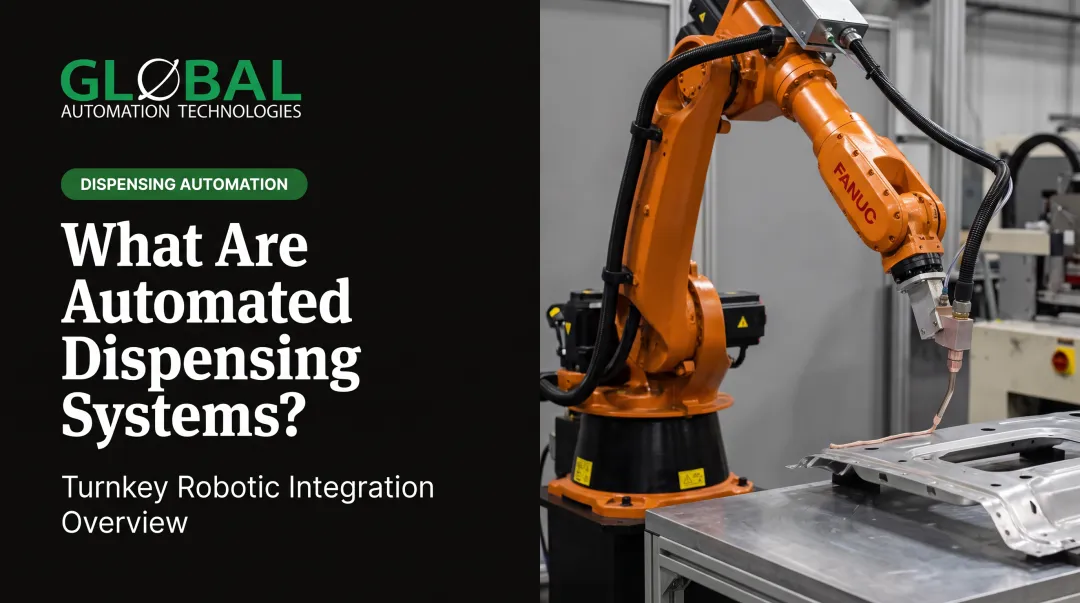
Pharmaceutical robotics refers to programmable robotic systems deployed across manufacturing, packaging, and laboratory environments to execute repeatable, precision-dependent tasks. Think aseptic filling arms, vision-guided inspection cells, and mobile robots moving materials through a plant.
Pharma has historically trailed automotive and electronics in robotics adoption. The industry's heavily regulated nature slowed things down, and sterile filling operations required specialized technicians and ISO-certified cleanrooms that made automation harder to justify.
That's changing fast. Life-sciences robot orders in North America rose 69% in 2020 versus 2019, driven by supply constraints and the need for safer, more continuous manufacturing.
McKinsey has also flagged a clear capacity gap: sterile-pharmaceutical demand is projected to grow more than 50% through 2030, while median capacity per sterile site rose just 2.6% over the same benchmark window.
Pharma robotics spans a wide range of equipment, including:
- Industrial-grade robotic arms similar to those on automotive assembly lines
- Specialized cleanroom-rated systems built for aseptic environments
- Compact lab automation platforms designed for bench-scale precision work
Standardization is the point. Whether it's filling a vial or moving a pallet, the goal is the same: remove variability from steps where variability creates risk.
Types of Robots Powering Pharma Automation
Different tasks call for different robot architectures. Here's how the main categories break down.
| Robot Type | Primary Function | Best Suited For |
|---|---|---|
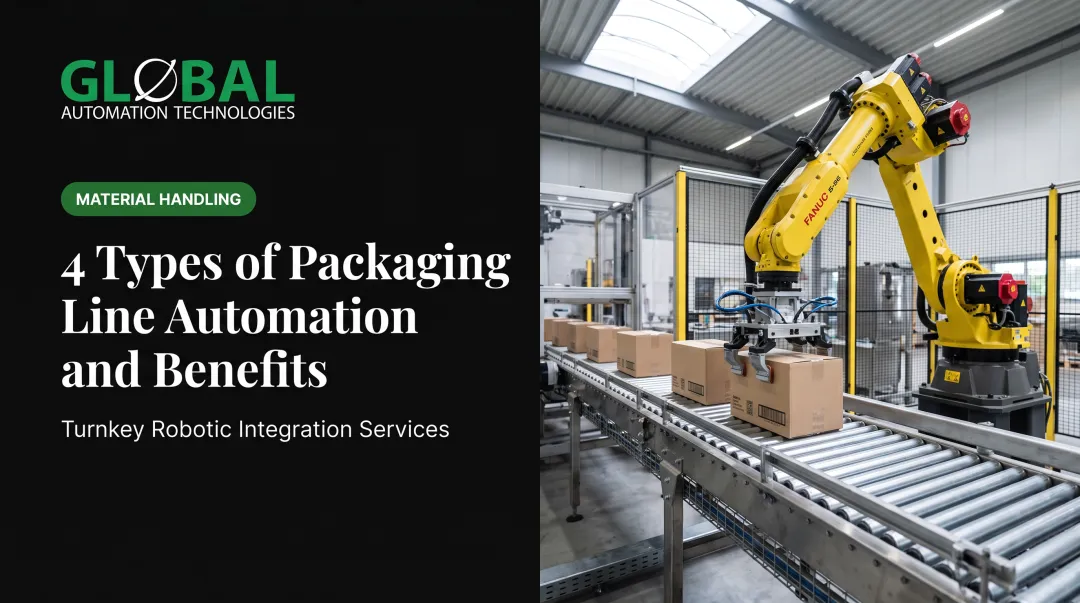
| Robotic arms, SCARA & delta | Pick-and-place, dispensing, packaging | High-speed, repeatable motion tasks |
| Collaborative robots (cobots) | Flexible manipulation, lab handling | Smaller batches, mixed-task lines |
| AMRs/AGVs | Material and finished goods transport | Documented, tracked intralogistics |
| Vision-guided inspection | Defect detection, fill verification | Quality checks at line speed |
Robotic Arms & SCARA Robots
SCARA and delta robots excel at fast, precise pick-and-place work. FANUC and Epson both field these platforms for high-speed accuracy. Epson has documented multi-station syringe coating machines running four SCARA units in sequence, with repeatability down to 5 microns on some models.
Collaborative Robots (Cobots)
Cobots handle flexible lab and line tasks where recipes change often. Universal Robots' case study with Multiply Labs shows cobots performing cell pipetting, shaking, and T-cell feeding. The same cells handle instruments and cassettes across workflows that shift between batches.
Automated Mobile Robots (AMRs/AGVs)
AMRs move raw materials to production lines and finished goods to warehouses without fixed tracks. ABB's pharma-focused AMRs use opportunity charging during idle periods, enabling near-continuous availability between charging cycles while software tracks every movement for traceability records.
Vision-Guided Inspection Robots
Vision-guided cells inspect product and packaging at line speed. FANUC inspection cells weigh, fill, cap, and reject noncompliant vials automatically. Cognex vision systems flag missing tablets, broken pills, seal damage, and print errors on packaging lines.

Top Use Cases of Pharmaceutical Robotics
Robotics now touches nearly every stage of the pharma value chain, from raw material handling to the final palletized shipment.
Manufacturing & Compounding
Robotic systems handle tablet and capsule formulation, aseptic filling, and automated compounding of injectable drugs. A controlled study comparing 500 robotic and 500 manual media fills over 18 working days found zero contaminated units in either group, demonstrating that robotic compounding can match experienced human operators under controlled conditions.
The stronger case for robotics here is reduced human intervention, not a numeric contamination edge. EU GMP Annex 1 explicitly names automated lyophilizer loading and sterile process transfer as ways to eliminate direct human critical interventions in Grade A environments. That guidance now shapes how manufacturers design new sterile lines.
Machine Tending & Material Handling
Machine tending, meaning robots loading and unloading production equipment, frees skilled operators for higher-value work like process troubleshooting and quality oversight. It also extends unattended run time well past a single shift.
Machine tending isn't unique to pharma. GLOBAL Automation Technologies, which holds Level 5 status in FANUC’s Authorized System Integrator program, has built its practice in automotive and heavy industry around a simple model: engineer the cell so every spindle runs as close to 100% as possible, then let it run through breaks, shift changes, and overnight periods.
Machine tending cells like these typically pay for themselves in 12 to 18 months, driven by more parts per shift with fewer direct labor hours. That same framework transfers to pharma manufacturers scaling automated material handling, even when the products look different.
McKinsey's broader manufacturing research backs the payback range: robot investments across industries typically pay back within 1 to 3 years. Pharma-specific validation requirements can push that timeline toward the longer end.
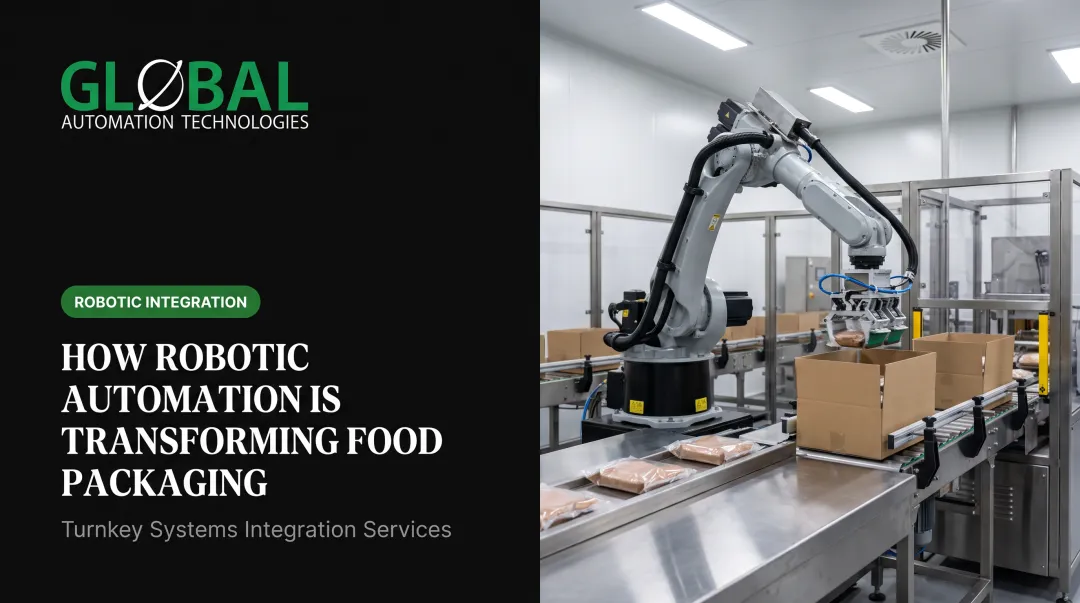
Packaging, Labeling & Palletizing
Secondary packaging automation covers cartoning, case packing, palletizing, and tamper-evident sealing. This is also where compliance requirements bite hardest.
- The U.S. DSCSA requires a 2D data-matrix barcode with product identifier, lot number, and expiration date on every package and homogeneous case
- Enhanced DSCSA tracing requirements took full effect on November 27, 2023
- The EU's Falsified Medicines Directive has required unique identifiers and anti-tampering devices on most prescription medicines since February 2019
Vision-based label verification systems check these codes at line speed, catching mismatches before product ships. Cognex-style inspection also verifies seal integrity, fill levels, and print quality on the same pass.

Lab Automation & Quality Inspection
Liquid handling robots automate powder weighing, dilution, aliquoting, and plate sealing. That acceleration frees R&D timelines that once depended entirely on manual bench work.
Hamilton's compound management systems, for example, produced more than 1.5 million compound aliquots for a high-throughput screening partner network, with full LIMS traceability across storage conditions from 4°C to -80°C.
On the quality side, inspection robots check blister packs and vial fill levels using built-in vision systems, flagging broken pills, foil damage, and incorrect fill volumes before product reaches packaging.
Key Benefits of Pharmaceutical Robotics
The use cases above point to six benefits that show up consistently across pharma robotics deployments.
- Raise throughput without shift breaks: AMR fleets on opportunity charging run well beyond a single shift, and machine tending cells outpace manual load cycles
- Repeat validated processes identically every cycle, the consistency regulators want documented
- Pull operators away from toxic compounds, repetitive strain, and cleanroom fatigue from long gowning periods
- Log every action automatically for GMP and ALCOA data integrity (attributable, legible, contemporaneous, original, accurate) with secure audit trails
- Shorten R&D with faster sample prep and high-throughput screening before a compound hits manufacturing scale
- Cut waste and rework so ROI lands once systems run hard; idle robots don't pay themselves back, and utilization is the lever manufacturers control
Annex 1 clause 2.1 specifically calls for RABS, isolators, robotic systems, and rapid microbial methods to be considered wherever contamination protection is the priority. Robotics isn't a nice-to-have in sterile manufacturing anymore. It's part of the regulatory conversation.
Overcoming Common Challenges in Pharma Robotics Adoption
Robotics adoption in pharma comes with friction points that don't exist in less-regulated industries.
Common barriers include:
- Upfront cost and validation — Cleanroom tooling, machine vision, line controls, FAT/SAT, and full IQ/OQ/PQ add time and cost automotive projects rarely carry
- Regulatory documentation — GMP, Annex 1's Contamination Control Strategy, and data integrity rules demand risk-proportionate documentation from day one
- Skills shortage — Controls and mechanical talent to run robotic systems is scarce across manufacturing, not only in pharma
Most automation companies do systems integration or staffing—rarely both. GLOBAL Automation Technologies delivers FANUC-based robotic systems alongside contract, contract-to-hire, or direct-hire placement of controls engineers, mechanical designers, and commissioning specialists who already know the equipment.
For pharma manufacturers evaluating robotics for the first time, pairing the equipment with embedded engineering support reduces the risk of a system sitting underutilized. Reach GLOBAL's team to discuss a combined systems-and-staffing approach for a specific line.
Frequently Asked Questions
Is pharmaceutical robotics a growing field?
Yes. The market is projected to grow at roughly 8.8% CAGR through the early 2030s, driven by regulatory pressure on contamination control and rising quality demands.
How much does a pharmacy robot cost?
Cost depends on system complexity — from smaller dispensing cells to full compounding, inspection, or packaging lines. Final investment tracks application scope, throughput targets, cleanroom class, and validation requirements.
Do robots replace pharmaceutical manufacturing workers?
Not typically. Robots shift roles toward supervision, troubleshooting, programming, and quality oversight rather than eliminating positions outright. Most operators move into higher-skill oversight and support roles.
What's the difference between pharmacy robots and pharmaceutical manufacturing robots?
Pharmacy robots store, retrieve, and dispense finished medication in retail or hospital settings. Manufacturing robots handle materials and components during production, filling, inspection, and packaging at plant scale.
How long does it take to implement robotic automation in a pharma facility?
Timelines vary based on validation and qualification scope, but expect longer cycles than in non-regulated industries. Cleanroom design, IQ/OQ/PQ testing, and change control all add time on top of standard commissioning.
What is a typical ROI timeline for pharmaceutical robotics investments?
Comparable industrial automation, like machine tending cells, typically pays back in 12 to 18 months. Pharma-specific validation requirements can extend that window, so budget for a site-specific timeline rather than a universal number.